Aquasearch Aquarium
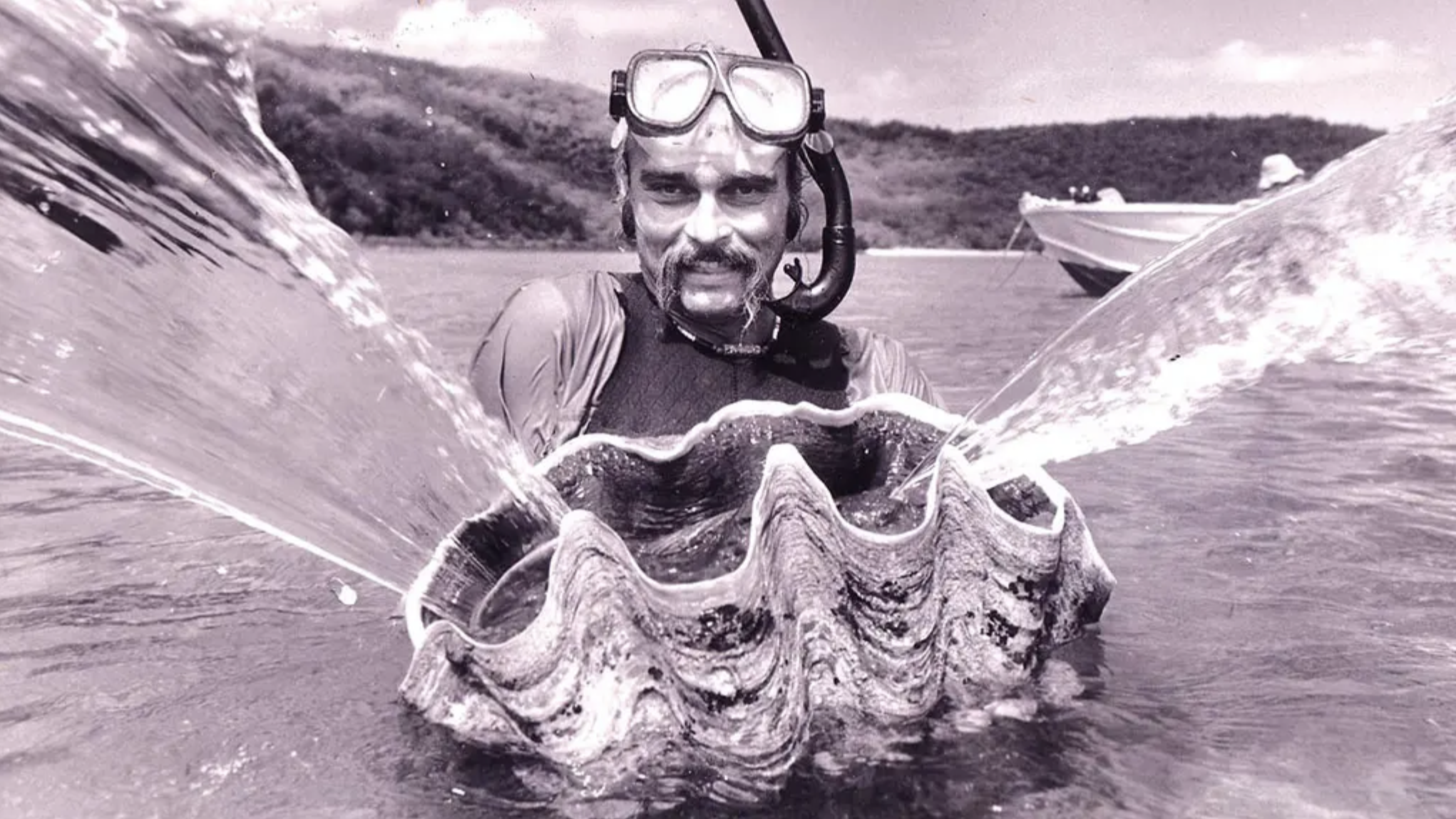
Hidden away on a quiet Nelly Bay street is one of Magnetic Island’s most fascinating little treasures. Aquasearch Aquarium & Laboratory is the life’s work of marine biologist Dr Richard “Rick” Braley, better known around Maggie as The Giant Clam Man.
Rick’s fascination with giant clams began more than 40 years ago after an encounter with one in Ha’apai, Tonga. What followed became a remarkable career dedicated to understanding, breeding and protecting these incredible animals, with his research taking him throughout Australia and the Pacific before Magnetic Island became home.
Here on Maggie, Rick found an extraordinary natural laboratory. The island’s fringing reefs supported significant populations of giant clams, and his work grew to encompass giant clam reproduction, aquaculture, coral reef ecology and conservation. In 1998, he established Aquasearch Aquarium & Laboratory, creating a place where his research could continue while giving the public a window into the marine world surrounding the island.
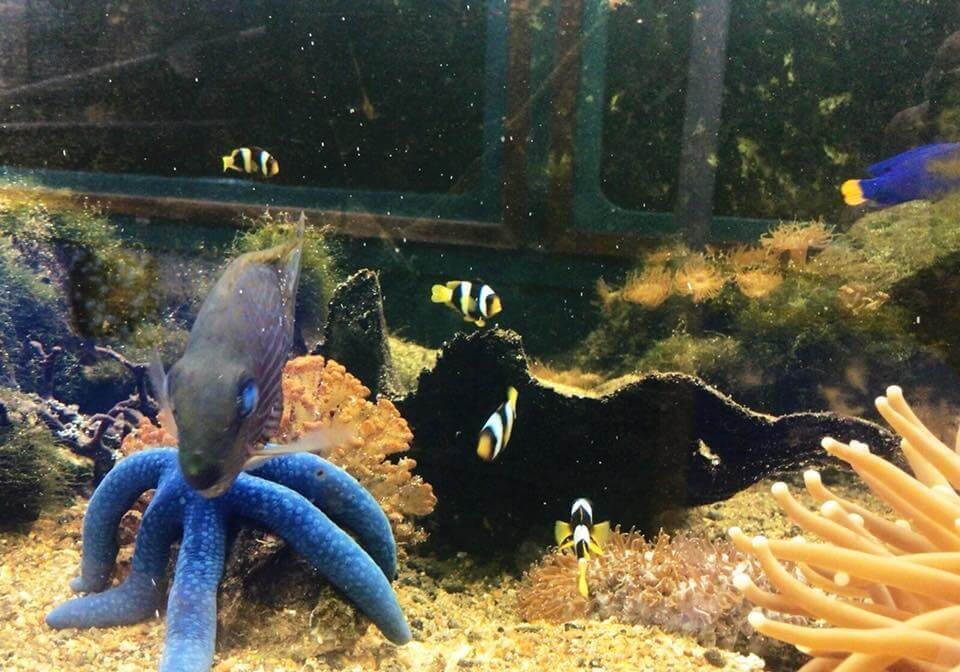
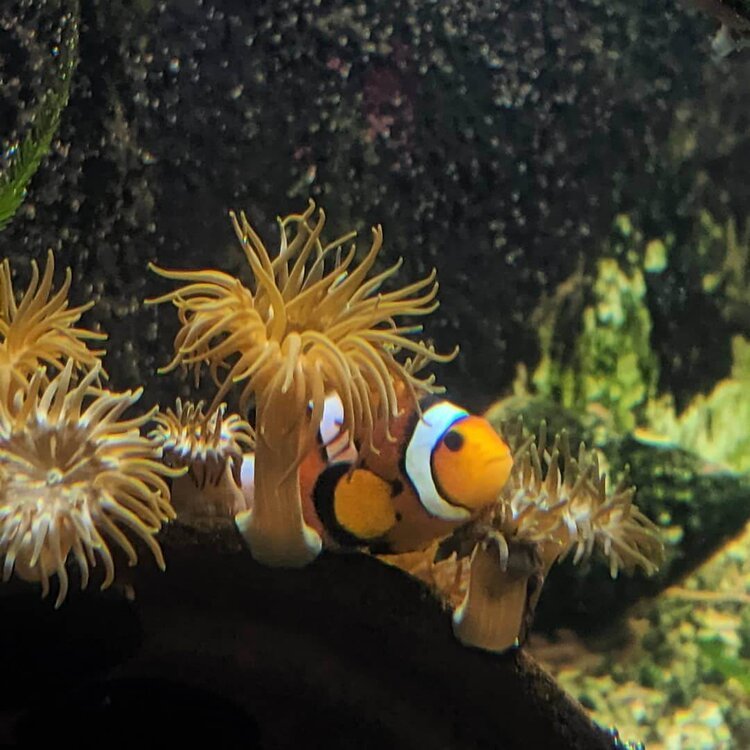
Today, the small public aquarium contains living displays of hard and soft corals, anemones, trochus, clownfish, reef fish and other marine creatures. This isn’t a polished commercial aquarium, and that’s exactly why we love it. You’re stepping into a genuine working marine facility created by a scientist who has spent much of his life studying the reef.
But some of the most incredible parts of the Aquasearch story are no longer inside the tanks.
Rick designed and established Magnetic Island’s Geoffrey Bay and Nelly Bay snorkel trails, helping turn sections of the island’s fringing reef into underwater experiences that visitors can explore for themselves. Giant clams originally cultured by Rick from tiny eggs were eventually relocated into the trails, meaning part of the research that began at Aquasearch can now be encountered living on the reef.
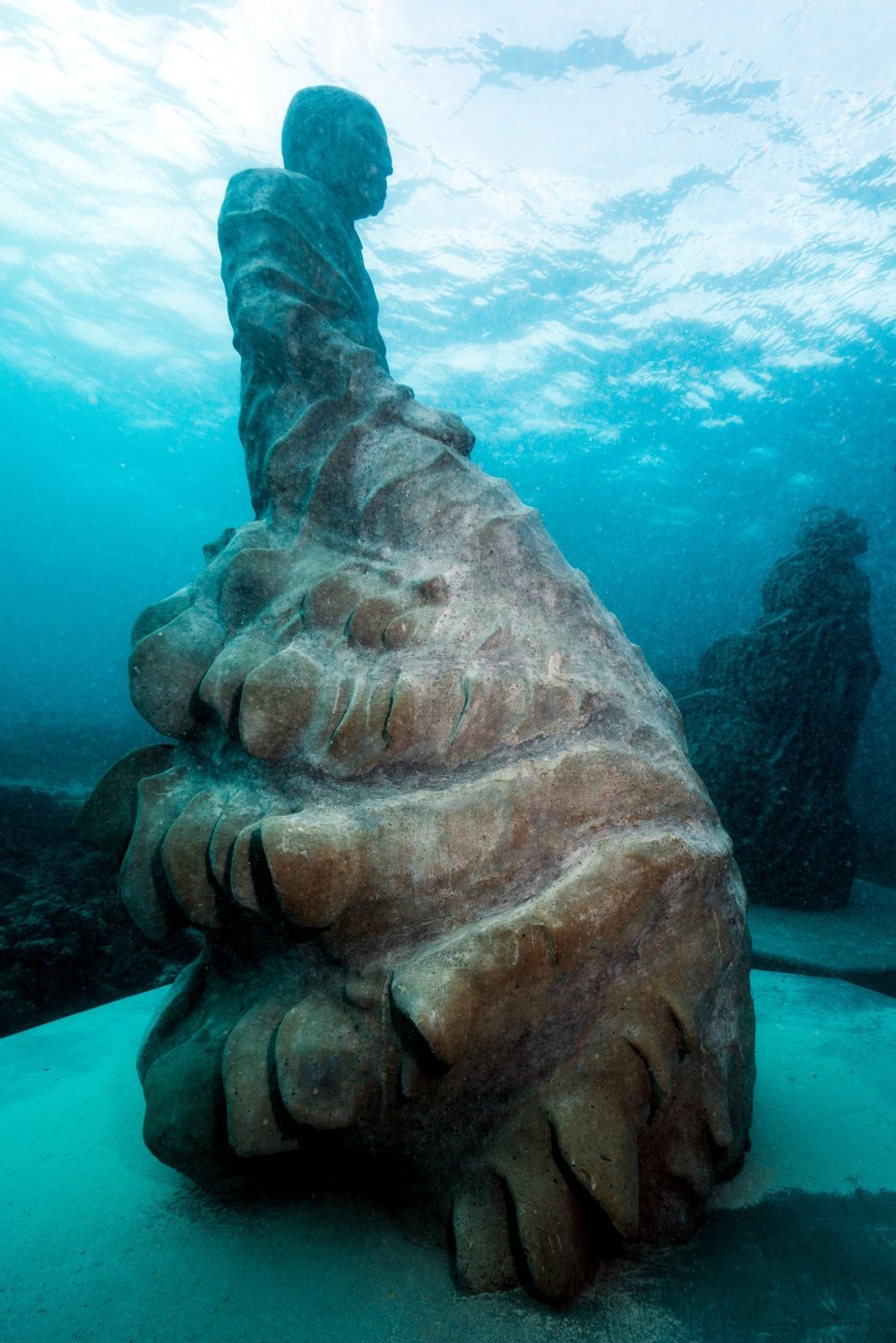
His contribution to marine science extends well beyond Maggie. Rick has worked on giant clam research and conservation throughout the Pacific and his decades of work are now permanently recognised beneath the Coral Sea as part of the Museum of Underwater Art’s Ocean Sentinels at John Brewer Reef. His underwater sculpture rises from a giant clam shell, a pretty fitting tribute to the animal that has shaped so much of his life.
Aquasearch is wonderfully old school. There’s no big reception desk or slick visitor centre. The aquarium is generally unstaffed during the day, with an honesty box at the entrance. Pop your entry fee in, wander through the displays and spend some time discovering the story behind one of Maggie’s most interesting locals.
It’s easy to drive past without ever knowing what’s tucked away inside. Don’t. Visit Aquasearch, learn a little about Rick and his work, then grab your snorkel and head out to Geoffrey Bay or Nelly Bay. Suddenly, what you’re looking at underwater has a whole lot more meaning.
WHAT WE LOVE
The Giant Clam Man: Rick isn’t simply someone who loves giant clams. He has dedicated more than four decades to researching them, breeding them and contributing to their conservation across Australia and the Pacific. Aquasearch is a little window into an extraordinary career.
From Tiny Eggs to Giant Clams: Some of Rick’s most fascinating work happened right here on Maggie, culturing giant clams from eggs and eventually relocating mature animals onto the island’s fringing reefs. Knowing their story makes seeing one underwater even more special.
He Helped Create Maggie’s Snorkel Trails: The Geoffrey Bay and Nelly Bay snorkel trails didn’t simply appear. Rick designed and established them, combining his knowledge of the reef with a way for the rest of us to get out there and experience it.
A Working Marine Laboratory: This isn’t a big tourist aquarium. Aquasearch grew from decades of real marine research, and its tanks of coral, anemones, trochus, reef fish and other marine life give you a glimpse into the ecosystem Rick has spent his career studying.
Immortalised Underwater: Rick is one of the scientists honoured in the Museum of Underwater Art’s Ocean Sentinels at John Brewer Reef. His sculpture emerges from a giant clam shell, recognising a lifetime of research and conservation work devoted to these remarkable animals.
WHILE YOU’RE IN THE AREA